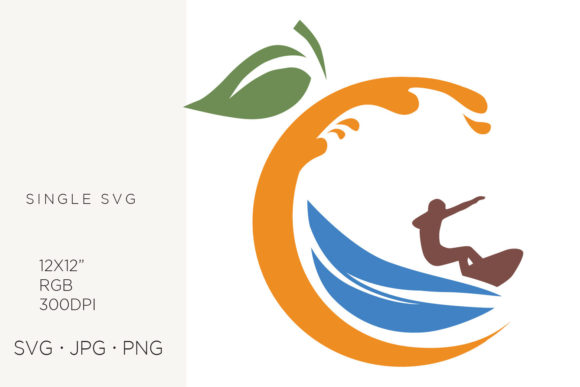
Mastering Ocean Surfer, Sea Water, and Fruit Icon SVG Designs for Professional Results
In the fast-paced world of digital design, having access to versatile, high-quality assets can make or break a project. Whether you are a seasoned graphic designer working on a corporate rebrand or a hobbyist creating handmade greeting cards, the quality of your source files dictates the quality of your final output. This is where specific, well-crafted collections like the Ocean Surfer, Sea Water, Fruit Icon Svg set become invaluable. These aren't just random clipart images; they are precision-engineered vector assets designed to bridge the gap between amateur enthusiasm and professional polish.
However, simply downloading these files is not enough. Many creators stumble not because they lack talent, but because they misunderstand how to properly utilize vector graphics in their workflows. By understanding the technical specifications and common pitfalls associated with these digital elements, you can save time, reduce frustration, and elevate the visual impact of your work.
Understanding the Technical Foundation
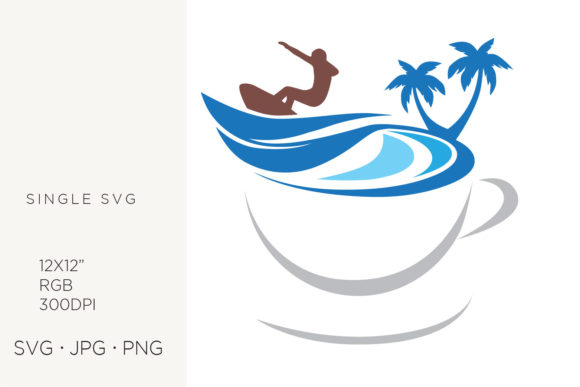
Before diving into creative applications, it is crucial to understand what you are actually working with. The Ocean Surfer, Sea Water, Fruit Icon Svg collection is built using Adobe Illustrator, a industry-standard vector program. This means the core files are scalable mathematical paths, not pixel-based grids. The artboard size is set to 12 x 12 inches with a resolution of 300 DPI in the RGB color palette. While this might sound like jargon, each element plays a critical role in usability.
The SVG (Scalable Vector Graphics) format is the hero here. Unlike raster images that pixelate when enlarged, SVGs remain crisp at any size. This is essential for everything from tiny jewelry engravings to large-scale wall art. The accompanying JPG and PNG files offer convenience for quick previews or web-only use, but relying on them for print projects is a frequent mistake that leads to blurry, unprofessional results.
Common Mistakes and How to Avoid Them
Even experienced creators can overlook details when working with pre-made assets. Here are some common errors and how to correct them to ensure your projects succeed.
Mistake 1: Ignoring Color Profiles for Print
One of the most significant oversights involves color management. These files are provided in the RGB color palette, which is optimized for screens—monitors, phones, and tablets. If you intend to use these designs for printed paper items, stationery, or invitations, using RGB files directly can result in dull, inaccurate colors. Printers typically use CMYK (Cyan, Magenta, Yellow, Key/Black).
The Fix: Always convert your file to CMYK within your design software before sending it to a printer. Open the SVG in Adobe Illustrator or a compatible editor, adjust the color mode, and tweak the hues to match your brand or aesthetic expectations. This small step ensures that the vibrant blues of the sea water and the bright tones of the fruit icons look exactly as intended on paper.
Mistake 2: Overlooking Layer Organization
Vector files often come with grouped elements. A common frustration arises when users try to edit a specific part of the Ocean Surfer or Fruit Icon only to find the entire image moves as one block. This happens because the paths are grouped or compounded.
The Fix: Learn to use the "Ungroup" and "Release Compound Path" functions in your vector software. This allows you to isolate individual elements, such as changing the color of just the surfboard or adjusting the shape of a specific fruit slice. Taking five minutes to organize your layers can save hours of redesign work later.
Mistake 3: Using Raster Formats for Large Scale Projects
It is tempting to use the included JPG or PNG files for quick mockups or social media posts. However, problems arise when these same files are scaled up for party decor or wall art. Since JPGs and PNGs are raster-based, enlarging them beyond their original dimensions causes pixelation and loss of clarity.
The Fix: Reserve JPG and PNG formats for web-only applications where the display size is fixed and small. For any physical product, signage, or scalable web design, always start with the SVG file. This ensures that your logo design or graphic element remains sharp, whether it is printed on a business card or a billboard.
Maximizing Versatility Across Projects
The true power of the Ocean Surfer, Sea Water, Fruit Icon Svg set lies in its versatility. Because these are vector-based, they can be adapted for a wide range of industries and creative outlets. Here is how different professionals can leverage these assets effectively.
- Entrepreneurs and Small Business Owners: Use the clean lines of the fruit icons to create fresh, organic branding for cafes, juice bars, or wellness studios. The ocean themes work perfectly for travel agencies, surf shops, or coastal real estate firms.
- Educators and Bloggers: Incorporate these graphics into educational materials, presentations, or blog headers. The clear, simple shapes make complex ideas easier to visualize, enhancing communication and engagement.
- Crafters and Hobbyists: The SVG format is ideal for cutting machines used in handmade craft items. You can create custom stickers, iron-on transfers for t-shirts, or intricate paper cuts for handmade cards and announcements.
- Web Designers: Utilize the lightweight nature of SVGs to improve website load times while maintaining high visual quality. These icons can serve as interactive elements, buttons, or decorative accents in graphic and web design projects.
What to Check Before You Begin
To ensure a smooth workflow, perform a quick audit before integrating these assets into your main project. First, verify that your software supports SVG editing. While Adobe Illustrator is the native environment, other tools like Inkscape, CorelDRAW, or even certain online editors can handle these files. Second, check the license terms if you are using these for commercial clients. Understanding usage rights prevents legal issues down the line.
Additionally, consider the context of your design. The Sea Water elements evoke calmness and fluidity, making them suitable for spa menus or meditation apps. Conversely, the Fruit Icons suggest energy and health, fitting well with fitness brands or nutritional guides. Aligning the emotional tone of the graphics with your message enhances the overall effectiveness of your communication.
Final Thoughts on Quality and Efficiency
Investing time in learning how to properly handle vector assets pays dividends in efficiency and quality. By avoiding common pitfalls like color profile mismatches and improper scaling, you ensure that your final products meet professional standards. The Ocean Surfer, Sea Water, Fruit Icon Svg collection is more than just a set of images; it is a toolkit for creative expression. Whether you are designing jewelry, planning party decor, or building a website, these elements provide a solid foundation for high-impact visuals.
Remember, the goal is not just to use the graphics, but to adapt them to serve your unique vision. With the right approach, these digital graphics elements can transform ordinary projects into extraordinary works of art. Take control of your design process, respect the technical details, and let your creativity flow without limitation.