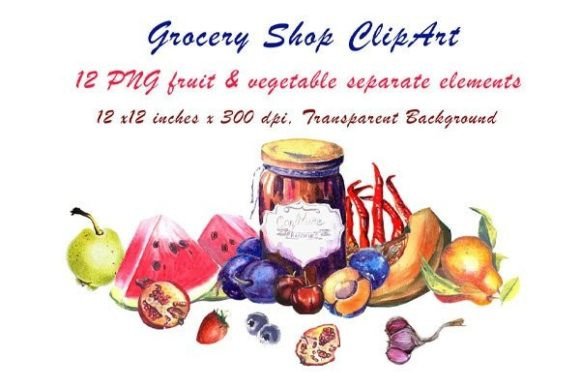
Elevating Digital Design with Hand-Painted Watercolor Grocery and Vegetable Clip Art
In the rapidly evolving landscape of digital content creation, the demand for authentic, organic aesthetics has never been higher. As brands and individual creators strive to cut through the noise of sterile, algorithm-driven visuals, there is a distinct shift toward assets that convey warmth, texture, and human touch. This is where Watercolor Grocery, Vegetable Clip Art emerges not merely as a decorative element, but as a strategic tool for modern designers. By integrating hand-painted watercolour elements into commercial and personal projects, creators can bridge the gap between digital efficiency and artisanal charm.
The Resurgence of Organic Aesthetics in Digital Media
The current design zeitgeist is heavily influenced by a consumer desire for transparency and natural living. This trend extends beyond lifestyle choices into visual communication. Whether it is a health food brand launching a new product line or a lifestyle blogger curating their feed, the visual language must align with values of freshness, sustainability, and authenticity. Hand Painted Watercolour Elements - Vegetables Fruit Clipart serves this need perfectly. Unlike vector graphics that can sometimes appear rigid or overly corporate, watercolor textures offer softness and variability. Each brushstroke carries the imperfection of human creation, which subconsciously signals trust and approachability to the viewer.
This shift is not temporary. It reflects a broader market movement where audiences are fatigued by hyper-polished, AI-generated perfection. They crave connection. When a designer utilizes high-quality watercolor assets, they are tapping into a psychological preference for the "handmade" even within a digital context. This is particularly relevant for industries such as organic farming, wellness coaching, culinary arts, and sustainable fashion, where the brand identity relies heavily on natural motifs.
Technical Precision Meets Artistic Freedom
While the aesthetic appeal is paramount, the practical utility of these assets determines their value in a professional workflow. The modern creator requires versatility without compromising on quality. A premium set of Watercolor Grocery, Vegetable Clip Art typically offers high-resolution files that meet rigorous printing standards. For instance, receiving 14 elements in RGB PNG format with transparent backgrounds ensures seamless integration into various design software.
The technical specifications matter significantly. Files sized at approximately 3200 x 3200 pixels at 300 DPI provide the necessary density for both digital display and physical production. This resolution allows designers to scale images for large-format posters or shrink them for intricate stationery details without losing clarity. The transparent background is a critical feature, enabling layering over complex textures, photos, or colored papers without the need for tedious manual editing. This efficiency supports faster turnaround times, a crucial factor for freelancers and agencies managing multiple client deadlines.
Expanding Creative Possibilities Across Industries
The application of these watercolor elements extends far beyond simple illustration. They serve as foundational components for a wide array of creative outputs. Consider the realm of stationery design. Greeting cards, wedding invitations, and thank-you notes benefit immensely from the delicate nature of watercolor vegetables and fruits. These elements add a layer of sophistication and personalization that mass-produced graphics often lack.
In the world of sublimation and textile design, these clip art packs are invaluable. Designers can create repeating patterns for fabric printing, aprons, tote bags, or kitchen towels. The organic shapes of vegetables like carrots, leafy greens, and berries translate beautifully onto fabric, creating designs that feel lively and fresh. Similarly, for scrapbooking and paper-craft creations, these digital assets can be printed on high-quality cardstock and used for decoupage, card-making, and announcement cards. The ability to print and enjoy these designs instantly eliminates shipping wait times, allowing for rapid prototyping and immediate project completion.
- Planner and Journaling Communities: Enhance daily planners with thematic stickers and headers that promote healthy eating and mindfulness.
- Blog and Web Design: Use vegetable icons to break up text, illustrate recipes, or create visually appealing sidebar widgets.
- Social Media Content: Overlay watercolor elements on food photography to create unique quotes or promotional graphics that stand out in crowded feeds.
- Brand Identity: Incorporate subtle fruit and vegetable motifs into logos or packaging designs for eco-friendly businesses.
Navigating Licensing and Ethical Usage
As the digital asset market grows, understanding licensing terms becomes essential for professional integrity. When purchasing a set of Hand Painted Watercolour Elements, it is crucial to distinguish between personal and commercial usage rights. Typically, these digital downloads allow for incorporation into larger designs. This means a designer can use the vegetable clip art as part of a composite image for a client’s brochure or a product label. However, the core principle remains: the asset cannot be sold as-is. Claiming the artwork as one’s own or redistributing the raw PNG files violates intellectual property rights.
This model supports a sustainable ecosystem for digital artists. By purchasing affordable, instant-download packs, creators gain access to professional-grade resources while supporting the original artists. It is a mutually beneficial arrangement that fosters creativity without the overhead of physical inventory. The "no physical product shipped" model also aligns with environmentally conscious practices, reducing carbon footprints associated with logistics and packaging.
Streamlining Workflows for Modern Entrepreneurs
For entrepreneurs and small business owners, time is a scarce resource. The traditional process of commissioning custom illustrations for every project is often prohibitively expensive and time-consuming. High-quality clip art packs offer a viable alternative. With an Instant Download model, creators can purchase, print, and enjoy their assets immediately. This immediacy is vital for capitalizing on trending topics or meeting last-minute client requests.
Moreover, the versatility of these files supports a multi-platform strategy. A single watercolor tomato image can be used in a blog post about summer recipes, printed on a T-shirt for a farmers' market stall, and featured in an email newsletter header. This cross-utilization maximizes the return on investment for the asset. It allows small teams to maintain a consistent visual identity across diverse touchpoints without needing a large budget for custom photography or illustration.
The ease of use also lowers the barrier to entry for non-designers. Small business owners who may not have advanced skills in Adobe Photoshop or Illustrator can still produce professional-looking materials. By using pre-made, high-resolution PNGs with transparent backgrounds, they can drag and drop elements into user-friendly design tools, achieving polished results with minimal technical effort.
The Future of Digital Asset Integration
Looking forward, the integration of such artistic elements into digital workflows will likely deepen. As technology advances, we may see more sophisticated tools that allow for real-time customization of these watercolor elements, such as adjusting hue or saturation to match specific brand palettes instantly. However, the fundamental value proposition remains unchanged: the need for human-centric, aesthetically pleasing visuals in a digital world.
Creators who adopt these resources early position themselves ahead of the curve. They understand that design is not just about functionality but also about emotion. A watercolor carrot is not just a representation of a vegetable; it is a symbol of health, nature, and care. By leveraging Watercolor Grocery, Vegetable Clip Art, professionals can infuse their work with these positive associations, creating deeper connections with their audience.
In conclusion, the adoption of hand-painted watercolor elements represents a smart, strategic choice for modern creators. It balances the need for high-quality, technically robust assets with the desire for organic, authentic aesthetics. Whether for stationery, textile design, or digital marketing, these versatile tools empower users to create meaningful, visually striking content efficiently. As the market continues to value authenticity, the role of such artistic digital resources will only become more central to successful design strategies.