Watercolour Realistic Flowers Clipart: A Guide to Quality and Usage
Integrating botanical elements into digital and print design requires more than just finding a pretty image. The difference between a professional-looking invitation and an amateurish flyer often lies in the quality of the assets used. Watercolour Realistic Flowers Clipart has become a staple for designers, wedding planners, and DIY enthusiasts because it offers the organic texture of hand-painted art with the flexibility of digital files. However, not all clipart packs are created equal. Understanding the technical specifications and proper application of these assets is crucial for achieving high-quality results.
Understanding the Value of Hand-Painted Elements
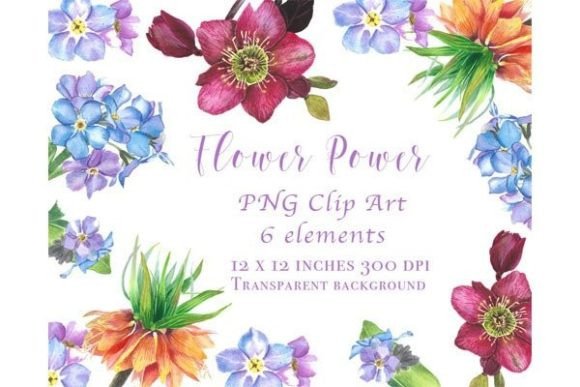
When you choose a set of Hand Painted Watercolour Clipart - Realistic Flowers, you are opting for authenticity. Unlike vector illustrations that can sometimes feel rigid or overly perfect, watercolour elements carry natural imperfections, bleeding edges, and subtle colour variations. This specific collection features delicate species such as Fritillaria, Myosotis, and Hellebore. These flowers are chosen for their intricate details and soft palettes, making them ideal for romantic and elegant designs.
The primary appeal of this medium is its versatility. Whether you are designing wedding invitations, greeting cards, or social media graphics, the transparent background of high-resolution PNG files allows for seamless layering. You can place these flowers over photos, textured paper backgrounds, or solid colours without worrying about unsightly white boxes around the edges. This level of integration is what separates premium clipart from free, low-quality alternatives found on generic stock sites.
Common Mistakes When Selecting Digital Florals
Many creators overlook critical technical details when purchasing digital assets, leading to frustration during the design process. One of the most frequent errors is ignoring resolution requirements. A common misconception is that any image labeled "high quality" will look good when printed. In reality, screen resolution and print resolution are vastly different. If you purchase a file that is only 72 DPI (dots per inch), it may look crisp on your monitor but will appear pixelated and blurry when printed on cardstock.
Another significant oversight is failing to check the file format. Some buyers assume they can use JPEGs for all projects. JPEGs do not support transparency, meaning you cannot layer the flower over another design element without extensive editing. Always ensure you are receiving PNG files with transparent backgrounds. This feature is essential for efficient workflow, allowing you to drag and drop elements directly into your design software without needing to remove backgrounds manually.
The Impact of Low-Resolution Assets
Using low-resolution images can severely affect the perceived value of your final product. For instance, if you are creating wedding stationery, guests often judge the quality of the event by the tactile and visual quality of the invitation. Pixelated edges on a delicate Hellebore petal can make the entire suite look cheap. Furthermore, low-resolution files limit your ability to scale the image. If you need a large focal point for a poster or a fabric print, a small file simply cannot be enlarged without losing integrity.
To avoid this, always verify the dimensions and DPI before purchasing. The ideal standard for professional printing is 300 DPI. A file size of approximately 3000 x 3000 pixels at 12x12 inches ensures that you have enough data to print clearly at various sizes. This specification provides the flexibility to use the same asset for a small logo on a business card or a larger pattern on a throw pillow.
Best Practices for Using Watercolour Clipart
Once you have secured high-quality assets, the next step is using them effectively. Many beginners clutter their designs by using too many elements. A set of realistic flowers should enhance your composition, not overwhelm it. Consider the balance between negative space and floral density. For example, when designing a greeting card, placing a single Fritillaria stem in the corner can create a sophisticated, minimalist look, whereas covering the entire background might distract from the message.
- Check Licensing Terms: Ensure you understand how the clipart can be used. Most personal use licenses allow for DIY projects, but commercial use may require an extended license.
- Layering Techniques: Use the transparency to layer flowers over text or other graphics. Adjust the opacity slightly if the flower competes with readable text.
- Colour Harmony: While watercolours are natural, ensure the tones of the Myosotis and Hellebore complement your brand colours or event theme.
For those interested in physical products, such as fabric printing or decoupage, the resolution becomes even more critical. Printing on fabric requires sharp details to prevent the ink from bleeding into a muddy mess. High-resolution PNGs ensure that the fine veins in the leaves and the subtle gradients in the petals remain distinct. This attention to detail elevates handmade items, making them suitable for sale in online marketplaces or boutique shops.
Evaluating Your Purchase Before Downloading
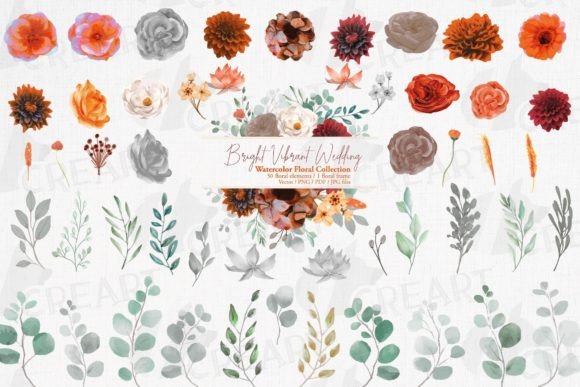
Before finalizing a purchase, take a moment to review what is included in the pack. A comprehensive set should offer variety. This particular collection includes six separate elements, providing enough diversity to create multiple layouts without repetition. Instant download options are preferable, as they eliminate shipping costs and waiting times. This efficiency is vital for freelancers and small business owners who need to meet tight deadlines.
It is also wise to consider the source. Purchasing from reputable sellers who specialize in hand-painted watercolour elements ensures consistency in style. Mixing clipart from different artists can result in a disjointed aesthetic, where lighting directions and painting styles clash. Sticking to a single cohesive set, such as this one featuring Fritillaria, Myosotis, and Hellebore, guarantees a harmonious visual language throughout your project.
Practical Applications for Creators
The utility of these digital files extends far beyond simple cardmaking. Bloggers can use them to create custom headers or break up long articles with visual interest. Educators might incorporate them into worksheets or presentation slides to add a touch of elegance. For entrepreneurs, these elements can be used to design logos, packaging labels, or social media templates. The key is to view the clipart as a building block for your brand identity.
When using these files for web design, remember to optimize the file size if necessary, although starting with a high-resolution master file is always recommended. You can always downscale for web use, but you cannot upscale a low-quality image. This approach ensures you have a versatile asset library that serves both digital and physical needs.
In conclusion, investing in high-quality Watercolour Realistic Flowers Clipart is a strategic decision for any creator. By paying attention to resolution, file format, and design balance, you can avoid common pitfalls and produce professional-grade work. Whether you are crafting a wedding invitation or designing a new product line, the right digital assets provide the foundation for success. Choose wisely, verify the specifications, and let the natural beauty of hand-painted florals enhance your creative projects.