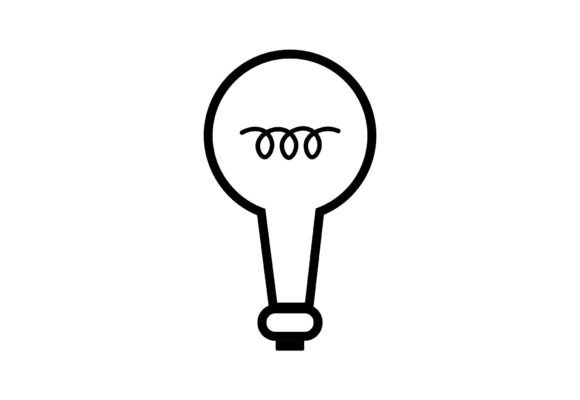
Light Bulb Clipart Artwork: Elevating Digital Design with Minimalist Icons
In the fast-paced world of digital content creation, visual communication often speaks louder than text. Whether you are designing a mobile application interface, crafting a compelling social media post, or laying out a professional brochure, the right graphical elements can define the user experience. This is where Light Bulb Clipart Artwork becomes an indispensable resource for designers, marketers, and content creators alike. The light bulb is universally recognized as a symbol of innovation, ideas, and clarity. However, finding the perfect representation—one that balances aesthetic appeal with technical versatility—can be a challenge. This article explores how minimalist light bulb icon designs serve as powerful tools in modern graphic design, offering practical solutions for a wide range of creative projects.
The Power of Minimalist Iconography
Minimalism in design is not merely a trend; it is a functional approach that prioritizes clarity and efficiency. When we discuss Light Bulb Clipart Artwork, we are referring to streamlined, vector-based, or high-resolution raster images that strip away unnecessary details to focus on the core concept. A minimalist light bulb icon is clean, uncluttered, and easily scalable. This simplicity ensures that the icon remains legible and impactful regardless of where it is placed, from a tiny favicon on a website tab to a large header on a printed banner.
For adults seeking practical design solutions, the appeal of minimalism lies in its adaptability. Complex illustrations can distract from the main message, whereas a simple, textured image overlay or a clean line-art symbol directs attention exactly where it needs to go. By utilizing a minimalist aesthetic, you ensure that your design looks professional and modern, avoiding the dated feel of overly ornate clipart. This approach is particularly effective for mobile apps and web interfaces, where screen real estate is limited and load times matter.
Versatility Across Digital and Print Media
One of the primary challenges designers face is ensuring that their assets work seamlessly across different platforms. A graphic that looks stunning on a retina display might appear pixelated when printed, or vice versa. High-quality Light Bulb Clipart Artwork addresses this issue by providing files optimized for both digital and physical mediums. For instance, a standard size of 512x512 pixels at 300 DPI is ideal for printing on paper, ensuring crisp edges and vibrant details in brochures, catalogs, and info cards.
Conversely, for web and mobile use, scalability is key. Vector formats allow the icon to be resized infinitely without losing quality. This makes the artwork perfect for responsive web design, where elements must adapt to various screen sizes, from smartphones to desktop monitors. Whether you are creating a banner for an online campaign or designing icons for a mobile app’s navigation menu, having access to versatile file formats ensures consistency in your brand identity.
Understanding File Formats for Optimal Use
To truly leverage the potential of Light Bulb Clipart Artwork, it is essential to understand the different file formats typically included in professional design packages. Most comprehensive digital downloads will include a ZIP folder containing multiple file types, each serving a specific purpose:
- JPG (Joint Photographic Experts Group): Ideal for quick previews and web use where transparency is not required. It is widely supported but does not support transparent backgrounds.
- PNG (Portable Network Graphics): Perfect for web graphics and overlays because it supports transparency. This allows you to place the light bulb icon over any colored background or image without a white box surrounding it.
- SVG (Scalable Vector Graphics): The gold standard for web development. SVGs are code-based vectors that remain sharp at any size and have small file sizes, improving page load speeds.
- EPS (Encapsulated PostScript) and AI (Adobe Illustrator): These are editable vector files used by professional designers. They allow you to modify the shape, color, and stroke of the light bulb icon directly within software like Adobe Illustrator or Photoshop, offering complete creative control.
Having access to all these formats in a single package means you are prepared for any project requirement. You do not need to convert files or worry about compatibility issues, streamlining your workflow and saving valuable time.
Practical Applications for Content Creators
The utility of Light Bulb Clipart Artwork extends far beyond simple decoration. It serves as a visual cue that enhances communication. Consider the following practical applications:
- Educational Materials and Info Cards: In presentations or educational handouts, a light bulb icon can highlight key takeaways, "pro tips," or innovative solutions. It draws the reader’s eye to important information, breaking up text-heavy layouts.
- Social Media Graphics: On platforms like Instagram or LinkedIn, visuals drive engagement. Using a minimalist light bulb icon in your posts can signify a new idea, a startup announcement, or a creative hack, making your content instantly recognizable.
- Website UI/UX Design: For tech startups or consulting firms, the light bulb is a staple icon for "Services" or "Innovation" sections. Using a consistent, aesthetic SEO-friendly vector symbol ensures a cohesive look across your site.
- Print Marketing: Brochures and catalogues benefit from high-resolution prints. A 300 DPI JPG or PNG ensures that your marketing materials look polished and professional, reinforcing brand credibility.
Tailoring Design to Your Audience
Different users approach design with varying goals. A freelance graphic designer might prioritize the editability of AI and EPS files to customize the color palette to match a client’s brand guidelines. In contrast, a small business owner managing their own social media might prefer the ready-to-use PNG files for quick drag-and-drop implementation in tools like Canva or Photoshop. Understanding your specific needs helps you maximize the value of the artwork.
For those focused on aesthetic SEO, using unique, high-quality vector symbols can also contribute to a better user experience on your website. Fast-loading SVGs improve site performance, while distinct, well-designed icons reduce bounce rates by making content more engaging and easier to navigate. This intersection of design and functionality is crucial for modern web presence.
Making the Right Choice for Your Project
When selecting Light Bulb Clipart Artwork, consider the context of your project. If you are aiming for a modern, tech-savvy look, opt for clean lines and geometric shapes. If your brand is more organic or eco-friendly, look for textures or hand-drawn styles that convey warmth and approachability. The key is consistency; ensure that the style of your light bulb icon matches the rest of your visual identity.
Furthermore, always check the licensing terms. Professional digital icon design elements usually come with commercial use rights, allowing you to use them in client projects or products for sale. This flexibility is vital for professionals who need reliable resources for diverse clientele.
Conclusion
In conclusion, Light Bulb Clipart Artwork is more than just a decorative element; it is a strategic design asset that enhances communication, improves user experience, and strengthens brand identity. By choosing minimalist, high-quality icons available in multiple formats such as JPG, PNG, SVG, EPS, and AI, you equip yourself with the tools needed for both digital and print success. Whether you are designing a mobile app, updating your website, or printing marketing collateral, these versatile graphics offer a practical, professional solution. Explore modern digital icon design elements to find the perfect fit for your next creative endeavor, and elevate your visual storytelling with clarity and style.