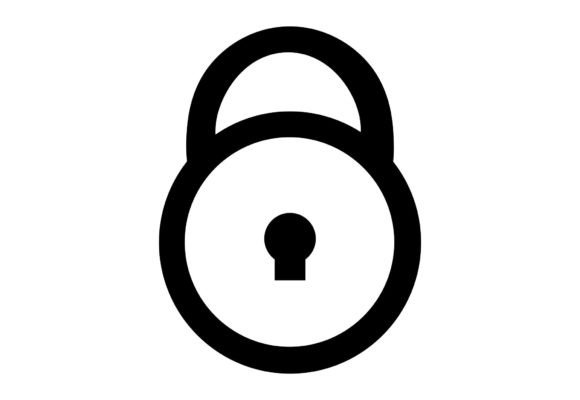
Lock Vector Art: Essential Minimalist Icons for Modern UI and Print Design
In the rapidly evolving landscape of digital design, clarity and efficiency are paramount. Whether you are developing a secure mobile application, designing a professional brochure, or curating social media assets, the visual elements you choose communicate trust and functionality before a single word is read. Among these essential visual cues, lock vector art stands out as a universal symbol for security, privacy, and protection. For designers and content creators seeking a minimalist lock icon design, finding the right asset can significantly streamline the workflow while elevating the aesthetic quality of the final product.
This article explores how high-quality, textured image overlays and simple artwork images serve as ideal solutions for various design needs. We will examine why this aesthetic UI vector symbol is the right choice for Photoshop and other software, and how its versatility makes it indispensable for both web and print mediums.
The Power of Minimalism in Security Iconography
When users encounter a lock icon, their immediate psychological response is one of safety. However, the effectiveness of this symbol relies heavily on its design execution. Cluttered or overly complex icons can distract from the user interface (UI) and dilute the message. This is where lock vector art shines. By adhering to minimalist principles, these icons provide instant recognition without visual noise.
A minimalist lock icon design is not just about simplicity; it is about precision. The clean lines and balanced proportions ensure that the icon remains legible at any size, from a tiny favicon in a browser tab to a large header graphic on a landing page. For designers working on mobile apps, banner ads, or info cards, this scalability is crucial. A simple artwork image that retains its integrity across different dimensions saves time on resizing and reformatting, allowing creators to focus on broader design strategies rather than pixel-perfect adjustments.
Versatility Across Digital and Print Platforms
One of the most significant challenges modern designers face is maintaining consistency across multiple platforms. A brand’s visual identity must remain cohesive whether viewed on a smartphone screen, a desktop website, or a printed catalogue. Lock vector art offers a unified solution to this fragmentation.
For digital applications, such as websites and social media accounts, the crisp edges of vector graphics ensure that the icon looks sharp on high-resolution Retina displays. The minimal icons are perfect for mobile apps, where screen real estate is limited, and every pixel counts. Similarly, for web-based interfaces, these icons load quickly and integrate seamlessly with CSS styling, enhancing performance and user experience.
Conversely, print media demands high resolution to avoid pixelation. This is where the specific technical specifications of your design assets become critical. A textured image overlay or a standard vector file must be prepared correctly to look professional on paper. With a resolution of 300 dpi, these designs are actually ideal as a graphic design for mobile phones or on the web, but they also translate perfectly to physical formats like brochures, catalogues, and business cards. The ability to use a single asset family for both digital and print purposes reduces costs and ensures brand consistency.
Technical Specifications for Professional Results
To achieve professional-grade results, understanding the technical backbone of your design assets is essential. High-quality lock vector art is not just about the visual appearance; it is about the file formats and resolutions provided. When selecting design elements, consider the following specifications that cater to diverse professional needs:
- Resolution and Size: A standard size of 512x512px at 300 dpi is optimal for printing on paper. This resolution ensures that when the image is scaled down for web use or kept at full size for print, the details remain sharp and clear.
- File Format Diversity: Different projects require different file types. A comprehensive package should include multiple formats to cover all bases. For instance, JPGs are suitable for quick previews and web uploads where transparency is not needed. PNGs are essential for web design due to their support for transparent backgrounds, allowing the icon to sit seamlessly over colored sections of a website or app interface.
- Vector Scalability: The inclusion of SVG, EPS, and AI files is what truly sets professional assets apart. These vector formats allow for infinite scalability without loss of quality. Whether you need to enlarge the lock icon for a billboard or shrink it for a footer link, vector files ensure the lines remain crisp. SVGs are particularly valuable for web developers, as they can be styled directly with CSS and animated for interactive user experiences.
All these digital files are typically packaged in a ZIP folder, providing a convenient, all-in-one resource for designers. This accessibility means you can immediately start working in your preferred software, be it Adobe Photoshop, Illustrator, or other design tools, without worrying about compatibility issues.
Practical Applications for Designers and Developers
The utility of lock vector art extends far beyond simple decoration. It serves functional roles in various contexts. For UI/UX designers, these icons are critical for indicating secure login fields, password protection features, and private data sections. A well-designed lock icon reassures users that their information is safe, thereby increasing trust and conversion rates.
In marketing and advertising, these icons can be used in banners and info cards to highlight security features of a product or service. For example, a fintech company might use a minimalist lock icon in their brochures to emphasize the security of their banking app. Social media managers can incorporate these symbols into posts about cybersecurity tips, using the clean aesthetic to maintain a professional brand image.
Furthermore, the textured image overlay aspect of some designs adds a layer of sophistication. While minimalism is key, a subtle texture can add depth and interest, making the icon stand out in crowded visual environments. This is particularly effective in editorial design or high-end branding where tactile qualities are appreciated even in digital formats.
Choosing the Right Asset for Your Project
When selecting lock vector art, consider the specific tone and style of your project. Are you aiming for a ultra-modern, flat design look, or do you need something with more character and texture? The beauty of having access to a variety of files—JPG, PNG, SVG, EPS, and AI—is that you can experiment with different styles without committing to a single format early in the process.
For web developers, the SVG format is often the best choice due to its small file size and code-friendly nature. For print designers working in Adobe Illustrator or InDesign, the AI and EPS files provide the necessary editability to adjust colors and shapes to match brand guidelines precisely. Photographers and graphic designers using Photoshop will find the high-resolution PNG and JPG files ready for immediate integration into composite images or mockups.
Ultimately, the goal is to find a resource that simplifies your workflow while enhancing the visual appeal of your work. By choosing a versatile, high-quality set of icons, you ensure that your designs are not only aesthetically pleasing but also technically robust. Visit our shop for more modern digital icon design elements to expand your toolkit and discover additional resources that can elevate your creative projects. With the right assets, you can create designs that are not only functional but also memorable and impactful.