Integrating Waves and Gears, Cogs SVG into Modern Design Workflows
In the evolving landscape of digital design, the juxtaposition of organic fluidity and mechanical precision offers a compelling visual narrative. Waves and Gears, Cogs SVG files represent a unique category of vector assets that bridge these two distinct aesthetic worlds. For designers, crafters, and creative entrepreneurs, understanding the technical specifications and practical applications of these elements is crucial for maximizing their potential in both digital and physical media.
This article explores the distinct characteristics of these vector-based graphics, evaluates their versatility across various formats, and provides a comparative analysis to help you determine if this specific style aligns with your current project requirements.
Understanding the Aesthetic and Technical Composition
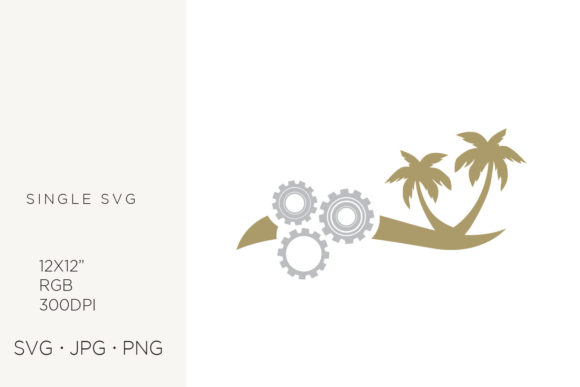
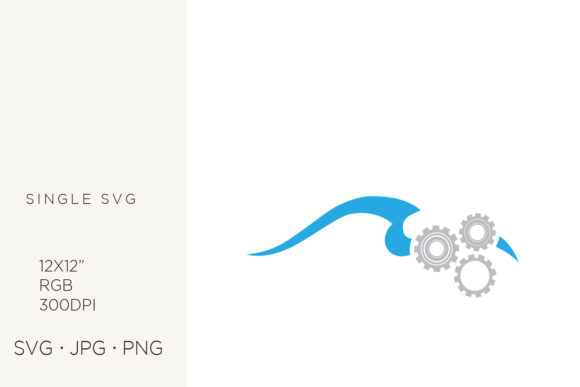
The core appeal of Waves and Gears, Cogs SVG lies in its thematic contrast. Waves suggest movement, nature, and calmness, while gears and cogs imply industry, structure, and momentum. When combined, they create a dynamic tension that is visually engaging and symbolically rich. This duality makes the asset particularly suitable for brands or projects that wish to convey innovation rooted in natural principles, or perhaps the harmony between technology and the environment.
From a technical standpoint, these files are created using professional vector software, specifically Adobe Illustrator. The artboard size is standardized at 12 x 12 inches, which is a common dimension for cutting machines and square-format social media graphics. More importantly, the resolution is set at 300 DPI (dots per inch) in the RGB color palette. While vector files like SVGs are resolution-independent by nature, the accompanying raster formats (JPG and PNG) benefit significantly from this high-resolution baseline, ensuring crisp prints and clear digital displays.
The Importance of Vector-Based Architecture
The primary advantage of using a vector-based element is scalability. Unlike raster images, which pixelate when enlarged, vectors use mathematical paths to define shapes. This means you can scale the Waves and Gears, Cogs SVG from a small icon on a business card to a large-scale wall mural without any loss in quality. This flexibility is indispensable for professionals who need to adapt a single design asset across multiple touchpoints, from web headers to printed stationery.
Evaluating File Formats: SVG, JPG, and PNG
When purchasing or downloading digital graphics, understanding the differences between file formats is essential for workflow efficiency. The Waves and Gears, Cogs SVG package typically includes three main formats, each serving a distinct purpose.
- SVG (Scalable Vector Graphics): This is the most versatile format for modern design. It is ideal for web design, logo creation, and use with cutting machines like Cricut or Silhouette. Because it is code-based, it allows for easy manipulation of colors and shapes within design software.
- PNG (Portable Network Graphics): PNG files support transparency, making them perfect for layering over other images or colored backgrounds. They are widely used in digital invitations, web banners, and printable crafts where a clean edge is required without a white background box.
- JPG (Joint Photographic Experts Group): While JPGs do not support transparency, they offer smaller file sizes and universal compatibility. They are best suited for quick previews, social media posts where transparency is not needed, or inclusion in documents where vector editing is not possible.
Having access to all three formats ensures that you are not locked into a single workflow. If you are a web developer, the SVG is your primary tool. If you are a scrapbooker using non-vector software, the high-resolution PNG or JPG becomes invaluable.
Comparative Analysis: Vector Assets vs. Raster-Only Alternatives
When evaluating design resources, creators often choose between pure vector packs and raster-only clipart libraries. Here is how Waves and Gears, Cogs SVG compares to other options:
Flexibility and Editability
Vector assets excel in editability. You can ungroup elements, change individual cog teeth, or alter the wave curvature directly in Adobe Illustrator or compatible software. In contrast, raster-only alternatives (standard JPG/PNG clipart) require complex photo editing techniques to modify shapes, often resulting in quality degradation. For users creating custom logos or unique branding materials, the vector format provides a level of control that raster images simply cannot match.
Production Quality for Print
For printed paper items, stationery, and handmade cards, the 300 DPI resolution of the included raster files is adequate for most home and small-business printers. However, for large-format printing such as wall art or party decor, the vector source file is superior. It allows print shops to output the design at any size without blurriness. If your primary focus is large-scale physical products, vector-based assets are the safer, more professional choice compared to standard stock photos or low-resolution clipart.
Workflow Compatibility
Not all users have access to Adobe Illustrator. This is a significant tradeoff. While the SVG format is widely supported, some basic design tools may struggle with complex vector paths. In these cases, the included PNG and JPG files serve as a necessary fallback. Users should assess their software capabilities before purchasing. If you rely solely on basic word processors or simple online editors, the vector benefits may be underutilized, though the high-quality raster files will still serve well for static implementations.
Practical Applications and Use Cases
The versatility of Waves and Gears, Cogs SVG allows for a broad range of applications. Understanding where these elements fit best can help you maximize their value.
- Logo Design and Branding: The combination of mechanical and organic elements is popular in tech startups, engineering firms, and eco-friendly manufacturing brands. The vector format allows for easy color adjustments to match brand guidelines.
- Handmade Craft Items: Crafters using die-cutting machines can import the SVG directly to cut vinyl, cardstock, or heat transfer material. This is ideal for creating custom t-shirts, tote bags, and jewelry displays.
- Stationery and Invitations: The aesthetic works well for steampunk-themed weddings, industrial-chic birthday parties, or corporate announcements. The PNG format with transparency allows for easy layering over textured paper backgrounds.
- Web and Graphic Design: Web designers can use the SVG to create lightweight, scalable icons or background elements that load quickly and look sharp on retina displays.
- Wall Art and Decor: By scaling the vector file, designers can create large-format prints for home or office decor, maintaining crisp lines and professional quality.
Decision Factors: Is This Resource Right for You?
Choosing the right digital asset depends on your specific needs, skills, and end goals. Consider the following factors when evaluating Waves and Gears, Cogs SVG:
Choose this resource if:
- You need scalable graphics for both digital and print media.
- You have access to vector editing software like Adobe Illustrator, Inkscape, or Affinity Designer.
- You are creating custom logos, branding materials, or cut-file projects.
- You value the ability to modify colors and shapes to fit a specific theme.
Consider alternative options if:
- You only need static images for social media and do not plan to edit the design.
- You lack the skills or software to work with vector paths.
- You require photorealistic imagery rather than stylized graphic elements.
Best Practices for Implementation
To get the most out of these files, start by opening the SVG in your preferred vector program. Inspect the layers and groups to understand how the waves and gears are constructed. This allows you to isolate specific elements if you only need a single cog or a wave segment. Always keep a backup of the original file before making significant changes.
When preparing files for print, ensure your color mode is converted from RGB to CMYK if your printer requires it, as screens display colors differently than ink. For web use, keep the files in RGB to maintain vibrancy. If using the PNGs, check the transparency settings to ensure no unwanted white halos appear around the edges.
In conclusion, Waves and Gears, Cogs SVG offers a robust solution for creators seeking a blend of industrial and natural aesthetics. By leveraging the strengths of vector scalability and multiple file formats, you can efficiently produce high-quality designs across a wide spectrum of media, from delicate jewelry tags to bold wall art. Evaluating your technical capabilities and project scope will help you determine if this versatile asset is the right fit for your creative toolkit.