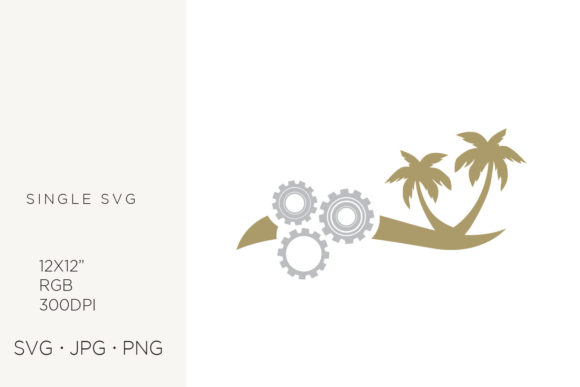
Evaluating Dune and Gears, Cogs SVG Assets for Professional Design Projects
In the evolving landscape of digital design, the intersection of organic textures and industrial mechanics offers a unique aesthetic challenge. Dune and Gears, Cogs Svg represents a specific niche within vector graphics that merges the fluid, eroded lines of desert landscapes with the precise, geometric rigidity of mechanical components. For designers, crafters, and brand strategists aged 20 to 50, understanding the technical specifications and creative potential of these assets is crucial before integrating them into commercial or personal projects.
This analysis explores the utility, technical requirements, and comparative advantages of using high-resolution vector files featuring dune and gear motifs. By examining file formats, resolution standards, and application versatility, you can determine whether this specific style aligns with your current design objectives.
Understanding the Aesthetic and Technical Composition
The core appeal of Dune and Gears, Cogs Svg lies in its juxtaposition. The "dune" element introduces softness, movement, and natural irregularity, while "gears and cogs" provide structure, history, and industrial weight. When executed correctly in a vector program like Adobe Illustrator, these elements do not merely sit beside each other; they interact. The sharp teeth of a cog might emerge from the crest of a sand dune, suggesting themes of buried technology, post-apocalyptic renewal, or the passage of time.
From a technical standpoint, the quality of these assets is defined by their construction. The files are created in Adobe Illustrator, ensuring that every curve and line is mathematically defined rather than pixel-based. This distinction is vital for scalability. The standard artboard size of 12 x 12 inches provides a square canvas that is versatile for social media icons, sticker designs, and centered logo compositions. However, the true value lies in the resolution and color profile.
With a resolution of 300 DPI (dots per inch) in an RGB color palette, these files are optimized for both high-quality digital display and professional printing. While vector SVGs are inherently resolution-independent, the accompanying JPG and PNG files at 300 DPI ensure that users who may not have vector editing software still receive print-ready quality. The RGB color space is particularly important for designers focusing on web graphics, app interfaces, and digital invitations, as it ensures vibrant color reproduction on screens.
File Formats and Workflow Integration
When evaluating digital graphics resources, the variety of provided file formats often dictates workflow efficiency. The Dune and Gears, Cogs Svg package typically includes three primary formats: SVG, JPG, and PNG. Each serves a distinct purpose in the design lifecycle.
- SVG (Scalable Vector Graphics): This is the most critical format for professional use. As a vector file, it allows for infinite scaling without loss of quality. You can resize a small icon for a business card to a large banner for wall art without encountering pixelation. SVGs are also editable in programs like Adobe Illustrator, Inkscape, or CorelDRAW, allowing you to change colors, adjust anchor points, or separate layers for complex compositions.
- PNG (Portable Network Graphics): Ideal for web design and digital overlays, PNGs support transparency. This means you can place the gear and dune motif over a colored background or photograph without a white box surrounding it. At 300 DPI, these are also suitable for high-quality home printing if vector editing is not an option.
- JPG (Joint Photographic Experts Group): While JPGs do not support transparency, they offer smaller file sizes and universal compatibility. They are best used for quick previews, social media posts where transparency is unnecessary, or when sending proofs to clients who may not have specialized software.
For users creating handmade craft items, such as vinyl cuts for Cricut or Silhouette machines, the SVG format is indispensable. These machines read vector paths to determine cut lines. A high-quality SVG ensures clean cuts around the intricate teeth of gears and the flowing curves of dunes, reducing material waste and production time.
Comparative Analysis: Vector vs. Raster and Thematic Alternatives
Choosing Dune and Gears, Cogs Svg involves comparing it against other graphic styles and file types available in the market. Understanding these tradeoffs helps in making an informed decision.
Vector vs. Standard Clipart
Many free or low-cost clipart options are provided only as raster images (JPG or low-resolution PNG). While these may appear sufficient for screen use, they fail when scaled up for printed paper items or large wall art. Pixelation becomes evident, undermining the professional look of stationery or invitations. Vector-based assets, like those in this collection, eliminate this risk. However, working with vectors requires a slightly steeper learning curve if you intend to modify the design. If your workflow is strictly drag-and-drop without editing capabilities, high-resolution PNGs may suffice, but you lose the flexibility of customization.
Thematic Fit: Industrial vs. Organic
When considering design themes, pure industrial graphics (gears alone) can feel cold or overly mechanical. Conversely, pure nature graphics (dunes alone) may lack structural focus. The combination found in Dune and Gears, Cogs Svg offers a balanced narrative. It is particularly effective for brands or projects that want to convey resilience, innovation rooted in history, or the harmony between technology and environment. If your project requires a purely corporate, minimalist tech look, this style may be too textured. If you need a soft, whimsical aesthetic for a children’s party, the industrial elements might be too heavy. Assessing the emotional tone of your target audience is essential.
Practical Applications and Use Cases
The versatility of these digital graphics extends across multiple industries and hobbyist categories. Here are realistic scenarios where these assets provide significant value:
- Brand Identity and Logo Design: Startups in sectors like renewable energy, archaeology, or retro-tech gaming can utilize these elements to create memorable logos. The vector format allows for easy adaptation into monochrome versions for fax headers or embossed stationery.
- Handmade Craft Items and Jewelry: Crafters can use the SVG files to laser-cut wood or acrylic for jewelry pieces. The intricate gear details translate well to physical materials, adding a steampunk or sci-fi flair to earrings and pendants.
- Event Stationery and Invitations: For themed parties, such as a "Desert Adventure" birthday or a steampunk wedding, these graphics can be integrated into invitation suites. The 300 DPI PNGs ensure crisp printing on cardstock, while the SVGs allow for custom color matching to fit specific party decor palettes.
- Web and Graphic Design: Web designers can use the SVG code directly into HTML/CSS, allowing for interactive hover effects where gears might rotate or dunes might shift color. This enhances user engagement without increasing page load times significantly.
- Wall Art and Home Decor: Artists can print these designs on canvas or metal sheets. The high resolution ensures that even large-format prints retain sharp edges and smooth gradients, making them suitable for modern living spaces or office environments.
Decision Factors: When to Choose This Resource
Deciding whether Dune and Gears, Cogs Svg is the right choice depends on several factors. You should consider this resource if:
- You require scalability for multi-platform use (web, print, merchandise).
- You have access to vector editing software or cutting machines that support SVG imports.
- Your project benefits from a narrative that blends nature and machinery.
- You need high-quality transparent backgrounds for layered design work.
Conversely, you might need an alternative if:
- You are looking for pre-animated graphics (GIFs or MP4s), as these are static files.
- Your project requires CMYK color profiles specifically for offset printing without conversion (though RGB to CMYK conversion is standard, starting with CMYK can save time for strict print jobs).
- You prefer a purely minimalist or abstract style without recognizable mechanical or natural forms.
Maximizing Value Through Customization
To get the most out of these files, leverage the editable nature of the vector format. Change the color palette to match your brand guidelines. Isolate specific gears to create patterns for wrapping paper or textile designs. Combine the dune elements with typography to create dynamic headlines for announcements. The key is to treat these not just as static images, but as modular components of a larger design system.
By understanding the technical strengths of SVG, JPG, and PNG formats and recognizing the thematic power of combining dunes with gears, you can make more informed decisions about your design resources. This approach ensures that your final output, whether it is a handmade card or a corporate logo, maintains professional quality and visual impact.