Science Star Vectorize Clipart: A Practical Guide to Minimalist Icon Design
In the fast-paced world of digital design, clarity is king. Whether you are building a mobile app, designing a brochure for a science conference, or updating your social media branding, the visual elements you choose communicate volumes before a single word is read. This is where Science Star Vectorize Clipart becomes an essential asset. It is not merely a decorative element; it is a functional tool designed to convey concepts of excellence, astronomy, chemistry, or academic achievement with immediate visual impact.
However, many creators—from seasoned graphic designers to small business owners handling their own marketing—often overlook the technical nuances of integrating such assets. They assume that because an image looks good on a screen, it will work everywhere. This misconception leads to pixelated prints, bloated file sizes, and inconsistent branding. By understanding the specific attributes of this aesthetic star vector symbol, you can avoid these common pitfalls and ensure your projects maintain a professional, polished appearance across all mediums.
Understanding the Versatility of Minimalist Science Icons
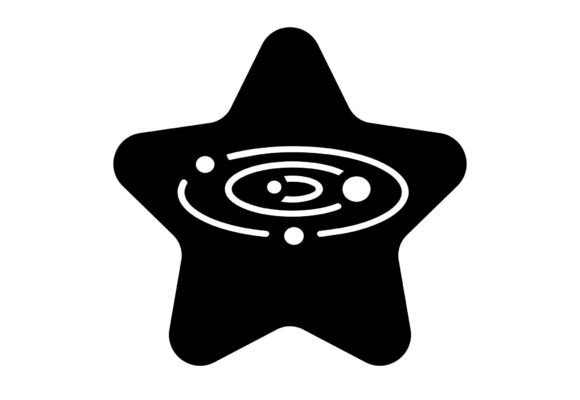
The appeal of minimalist design lies in its adaptability. A simple artwork image, such as a textured star overlay, serves multiple purposes. It acts as a focal point in web headers, a subtle background element in mobile interfaces, or a clear identifier in educational materials. The Science Star Vectorize Clipart is specifically engineered for this versatility. With a resolution of 512x512 pixels at 300 DPI, it strikes a balance between digital sharpness and print readiness.
Many beginners make the mistake of using low-resolution JPEGs found through generic image searches for professional projects. While these may appear acceptable on a smartphone screen, they fail miserably when scaled up for a banner or printed on paper. The result is a blurry, amateurish look that undermines the credibility of your brand or educational content. By choosing a high-quality, purpose-built asset, you ensure that your graphics remain crisp whether they are viewed on a retina display or printed on a glossy catalogue page.
Common Mistakes in File Format Selection
One of the most frequent errors designers make is ignoring the importance of file formats. When you download a digital asset, you are often presented with several options: JPG, PNG, SVG, EPS, and AI. Choosing the wrong one can significantly hinder your workflow and final output quality.
- Relying solely on JPG: JPEG files are compressed and do not support transparency. If you place a JPG star icon over a colored background, you will see an unsightly white box around the image. This limits your design flexibility and forces unnecessary editing time to remove backgrounds manually.
- Ignoring Vector Formats: Many users stick to raster images (JPG/PNG) because they are familiar. However, raster images lose quality when resized. For a science icon that might need to be tiny in a footer or large on a poster, vector formats like SVG, EPS, and AI are superior. They use mathematical paths rather than pixels, allowing infinite scaling without quality loss.
- Overlooking Transparency: PNG files support transparency, making them ideal for web use and mobile apps. Failing to use PNGs when transparency is needed results in rigid, blocky designs that do not blend seamlessly with your layout.
To avoid these issues, always assess your end goal before selecting a file. If you are designing for the web or mobile apps, PNG and SVG are your best friends. For print materials like brochures and info cards, EPS and AI files provide the highest fidelity and editability.
The Importance of Resolution and DPI
Another critical aspect often misunderstood is the difference between screen resolution and print resolution. Screens typically display images at 72 DPI (dots per inch), while professional printing requires 300 DPI. The Science Star Vectorize Clipart provided in this package is optimized at 300 DPI, making it suitable for high-quality printing on paper.
A common mistake is assuming that a 512x512 pixel image is too small for print. While this dimensions might seem limited, the 300 DPI density ensures that the image retains sharpness at its intended size. However, if you attempt to stretch this raster image beyond its original dimensions, it will pixelate. This is why having access to the vector versions (SVG, EPS, AI) included in the ZIP folder is crucial. Vectors allow you to scale the star to any size—from a tiny bullet point to a full-page backdrop—without any degradation in quality.
For those working primarily on mobile phones or web platforms, the 512x512px dimension is ideal. It loads quickly, ensuring your website or app remains responsive, while still providing enough detail to look sharp on high-density displays. Balancing file size with visual quality is key to maintaining user engagement and satisfaction.
Practical Applications and Best Practices
So, how should you effectively integrate this minimalist science icon into your projects? Here are some practical approaches tailored to different use cases:
- Mobile App Interfaces: Use the PNG version with transparency for icons within your app. The minimalist design ensures it does not clutter the interface, providing a clean, user-friendly experience. Ensure the icon size is consistent with other UI elements to maintain visual harmony.
- Web Banners and Headers: The SVG format is perfect here. It scales perfectly across different screen sizes, from desktop monitors to tablets. Use the star as a decorative element to highlight special offers, new features, or scientific achievements.
- Print Materials: For catalogues, brochures, and info cards, use the EPS or AI files. These formats allow you to change the color of the star to match your brand palette exactly. You can also adjust the stroke width or add effects without losing quality.
- Social Media Graphics: The JPG or PNG files are sufficient for social media posts. Use the star to draw attention to key statistics or quotes in your science-related content. The textured overlay adds a touch of sophistication that stands out in crowded feeds.
When using these assets, always check the licensing terms and ensure you are using the files in accordance with the creator's guidelines. Additionally, keep your project files organized. Since the download includes a ZIP folder with five different formats, create a dedicated folder for your assets to easily locate the correct file type during your design process.
Making the Right Choice for Your Project
Before finalizing your design, take a moment to evaluate your choices. Ask yourself: Does this icon enhance the message or distract from it? Is the file format appropriate for the medium? Have I tested how it looks on different devices and in print?
By avoiding the common traps of low-resolution usage, incorrect file formats, and poor scaling practices, you elevate the quality of your work. The Science Star Vectorize Clipart is more than just an image; it is a versatile design element that, when used correctly, can significantly improve the aesthetic and functional quality of your projects. Whether you are a freelancer creating a brand identity, an educator developing learning materials, or a marketer launching a new campaign, paying attention to these details ensures your final product is professional, effective, and visually appealing.
For those seeking more modern digital icon design elements, exploring a curated shop can save time and provide access to cohesive design systems. Consistency in your visual language builds trust and recognition with your audience. Therefore, investing in high-quality, versatile assets like this textured star symbol is a smart decision for any serious creator.