Technology and the City Mother Board: Designing the Digital Urban Landscape
The modern metropolis is no longer defined solely by steel, glass, and concrete. It is increasingly characterized by invisible networks, data streams, and interconnected systems that pulse beneath the surface of daily life. This convergence of urban infrastructure and digital connectivity is often metaphorically referred to as the City Mother Board. Just as a computer’s motherboard connects all critical components to ensure seamless operation, the technological framework of a smart city integrates transportation, energy, communication, and public services into a cohesive, responsive organism. For designers, creators, and business owners, understanding this concept is not just an academic exercise; it is a gateway to creating visual narratives that resonate with a tech-savvy, urban-aware audience.
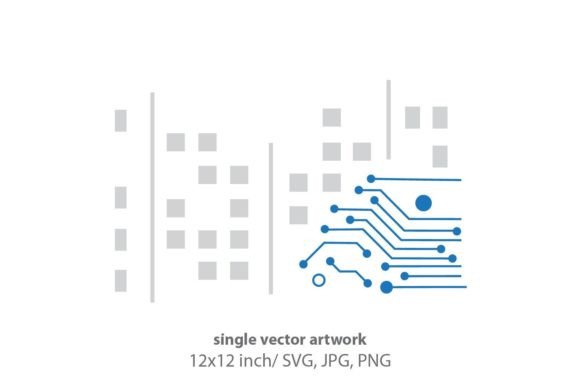
In the realm of digital design, representing this complex interplay requires precision, scalability, and aesthetic versatility. This is where high-quality vector graphics become indispensable. Assets such as Technology, City Mother Board clipart, created in professional vector programs like Adobe Illustrator, offer the flexibility needed for modern creative workflows. With an artboard size of 12 x 12 inches, a resolution of 300 DPI, and an RGB color palette, these files are optimized for both digital display and high-quality printing. Available in SVG, JPG, and PNG formats, they serve as foundational elements for a wide array of projects, from corporate branding to handmade crafts.
The Evolution of Urban Visual Identity
The way we visualize technology has shifted dramatically over the past two decades. Early representations of "cyber" aesthetics were often clunky, relying on generic green code cascades or overly literal depictions of hardware. Today, the visual language of technology is sleek, minimalist, and integrated. The concept of the City Mother Board reflects this maturity. It suggests a harmonious blend of organic urban life and structured digital logic. This shift mirrors broader societal changes: technology is no longer an external tool we pick up; it is the environment we inhabit.
For creators and marketers, this evolution presents a unique opportunity. Audiences aged 20 to 50—ranging from young professionals to established entrepreneurs—are accustomed to sophisticated digital interfaces. They expect brand visuals that reflect clarity, efficiency, and innovation. Using generic stock imagery often fails to capture this nuance. Instead, customizing vector elements allows for a tailored approach. By leveraging files made in Adobe Illustrator, designers can manipulate lines, nodes, and circuit-like patterns to create unique compositions that speak directly to their specific niche.
The relevance of this topic extends beyond mere aesthetics. As remote work, digital nomadism, and smart home adoption rise, the boundary between the office, the home, and the city blurs. Visuals that depict this interconnectedness help businesses communicate their value proposition effectively. Whether you are a freelancer designing a website for a tech startup or a small business owner creating invitations for a product launch, the imagery you choose sets the tone for how your audience perceives your professionalism and forward-thinking mindset.
Versatility in Creative Applications
One of the most significant advantages of using vector-based digital graphics is their adaptability. A single set of well-designed elements can be repurposed across multiple mediums without losing quality. This is particularly important for entrepreneurs and hobbyists who need to maintain brand consistency while managing limited resources. The Technology, City Mother Board clipart, provided in SVG, JPG, and PNG formats, offers this exact flexibility.
- Logo Design and Branding: Vector SVG files are ideal for logo creation because they can be scaled infinitely without pixelation. A tech consultancy or an urban planning firm can use circuit-board-inspired motifs to symbolize connectivity and intelligence. The clean lines of vector art ensure that the logo remains crisp on everything from a business card to a large-scale billboard.
- Web and Graphic Design: In web design, load times and responsiveness are crucial. SVG files are lightweight and render sharply on all screen sizes, making them perfect for icons, background patterns, and hero images. The RGB color palette ensures that colors appear vibrant and accurate on digital screens, enhancing user engagement.
- Printed Materials and Stationery: For physical items, the 300 DPI resolution ensures high-quality output. Professionals can use these elements to design letterheads, brochures, and annual reports that convey a sense of modernity and precision. The 12 x 12 inch artboard size provides ample space for arranging complex layouts before scaling them down for print.
- Handmade Crafts and Party Decor: The DIY community has embraced digital downloads as a source of inspiration and material. Crafters can use PNG files with transparent backgrounds to create custom stickers, decals, and iron-on transfers for jewelry or clothing. For event planners, these graphics can be incorporated into invitations, announcements, and party decor for tech-themed events, hackathons, or corporate gatherings.
This cross-medium utility reduces the need to purchase separate assets for different projects. It empowers creators to experiment with mixed media, combining digital prints with handmade elements to produce unique, tactile experiences. For instance, a wedding invitation for a couple who met online could feature subtle circuit board patterns, blending romantic tradition with personal history.
Technical Specifications and Workflow Efficiency
Understanding the technical specifications of your design assets is crucial for achieving professional results. The files discussed here are made in Adobe Illustrator, the industry standard for vector graphics. This ensures compatibility with most major design software, including CorelDRAW, Inkscape, and Affinity Designer. The choice of formats—SVG, JPG, and PNG—caters to different needs within a typical workflow.
SVG (Scalable Vector Graphics): This format is essential for web developers and designers who need resolution-independent graphics. Unlike raster images, SVGs are defined by mathematical equations, allowing them to be resized without any loss of quality. They are also editable via code, enabling dynamic interactions and animations on websites.
PNG (Portable Network Graphics): PNGs support transparency, which is vital for layering graphics over different backgrounds. This makes them ideal for digital composites, social media posts, and presentation slides. The 300 DPI resolution ensures that if a PNG is printed, it retains sharpness, although vectors are generally preferred for large-format printing.
JPG (Joint Photographic Experts Group): While JPGs do not support transparency, they are widely compatible and have smaller file sizes when compressed. They are suitable for quick previews, email attachments, and situations where file size is a constraint. However, for editing and professional design, the vector source or PNG is recommended to avoid compression artifacts.
The RGB color palette is specifically chosen for digital displays. RGB (Red, Green, Blue) is the additive color model used by screens. If you intend to print these designs for large-scale outdoor advertising, you may need to convert them to CMYK (Cyan, Magenta, Yellow, Key/Black) to ensure color accuracy. However, for most indoor printing, stationery, and craft projects, RGB files converted properly by modern printers yield excellent results.
Meeting Modern User Expectations
In today’s market, authenticity and customization are highly valued. Consumers are increasingly skeptical of generic, mass-produced visuals. They respond positively to brands and creators who demonstrate attention to detail and a unique perspective. By using customizable vector elements, you can tailor your visuals to align with your specific message. This level of customization builds trust and credibility, key components of E-E-A-T (Experience, Expertise, Authoritativeness, and Trustworthiness).
For educators and bloggers, these graphics can simplify complex topics. A post about smart city infrastructure can be enhanced with clear, stylized diagrams derived from City Mother Board clipart. This visual aid helps readers grasp abstract concepts more quickly, improving engagement and retention. Similarly, freelancers can use these assets to create compelling portfolio pieces that showcase their ability to blend technical themes with artistic design.
Moreover, the trend towards sustainability in design favors digital assets that reduce waste. By using digital files for invitations, announcements, and decor, individuals and businesses can minimize paper usage. When physical prints are necessary, the high quality of vector-based designs ensures that materials are not wasted on poor-quality outputs. This aligns with the values of many modern consumers who prioritize environmental responsibility.
Practical Recommendations for Creators
To make the most of these digital graphics, consider the following best practices:
- Start with the Vector: Always begin your design process with the SVG or original Illustrator file. This allows you to adjust colors, stroke widths, and compositions to fit your brand guidelines perfectly.
- Optimize for Web: When exporting for web use, compress SVGs to reduce file size without compromising quality. Use tools like SVGO or online compressors to streamline your assets.
- Maintain Consistency: If you are using these elements across multiple platforms, ensure that color codes and line weights remain consistent. This creates a cohesive visual identity that strengthens brand recognition.
- Experiment with Layering: Combine the City Mother Board elements with other textures, typography, and photos. The transparency of PNG files makes it easy to overlay circuit patterns on urban photography, creating a dynamic fusion of real and digital worlds.
- Respect Licensing: Always check the licensing terms of digital assets. Ensure that your intended use—whether commercial or personal—is covered. Proper attribution, if required, enhances professional integrity.
In conclusion, the intersection of technology and urban design offers a rich vein of creative potential. By utilizing high-quality, versatile vector graphics like the Technology, City Mother Board collection, creators can produce work that is not only visually striking but also technically robust. Whether you are designing a logo, crafting handmade jewelry, or building a website, these tools empower you to communicate complexity with clarity and style. Embrace the flexibility of digital assets, stay attuned to evolving design trends, and let your creativity bridge the gap between the physical and digital realms.