Coffee and Gears SVG: The Perfect Blend of Industrial Charm and Digital Creativity
In the vibrant world of digital design, few motifs capture the imagination quite like the combination of coffee and gears. This unique aesthetic merges the warmth and comfort of a morning brew with the precision and mechanics of industrial engineering. For designers, crafters, and business owners, accessing high-quality Coffee and Gears Cogs SVG and Clipart is more than just a trend—it is a gateway to creating compelling visual narratives. Whether you are designing a logo for a new café, creating intricate wall art, or crafting personalized stationery, understanding the technical and creative potential of these vector-based assets can significantly elevate your work.
Understanding the Aesthetic: Why Coffee Meets Mechanics
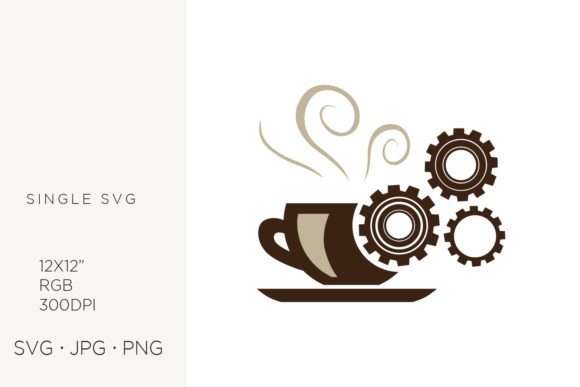
The juxtaposition of organic comfort (coffee) and rigid structure (gears) creates a visually striking contrast that resonates with a wide audience. This theme often appeals to professionals in tech, engineering, and creative industries who value both productivity and relaxation. The symbolism is clear: the gear represents the hard work, the mechanism of success, and the grind of daily life, while the coffee cup represents the fuel, the pause, and the enjoyment of the moment.
When you utilize digital graphics elements centered around this theme, you are tapping into a narrative that speaks to modern life. It is not just about drawing a cup; it is about illustrating a lifestyle. This makes such designs highly versatile for various applications, from corporate branding to personal handmade crafts.
The Technical Foundation: Vector Quality and Resolution
To truly leverage these designs, one must understand the file formats provided. High-quality assets, such as those created in Adobe Illustrator, are typically delivered in multiple formats to ensure maximum flexibility. The core of this collection is the SVG (Scalable Vector Graphics) file. Unlike raster images, vectors are based on mathematical paths, meaning they can be scaled infinitely without losing quality. This is crucial for projects ranging from tiny jewelry charms to massive wall murals.
Alongside SVGs, these packages often include JPG and PNG files. These are raster images, typically set at an artboard size of 12 x 12 inches with a resolution of 300 DPI (dots per inch) in an RGB color palette. Here is why these specifications matter:
- 300 DPI: This is the standard resolution for high-quality printing. It ensures that when you print your design on paper, fabric, or cardstock, the edges remain crisp and the details are sharp, avoiding pixelation.
- RGB Color Palette: While CMYK is used for professional offset printing, RGB is ideal for digital displays, web design, and many home printers. It offers a wider range of vibrant colors, making your digital graphics pop on screens.
- 12 x 12 Inch Artboard: This square format is universally compatible with most cutting machines (like Cricut or Silhouette) and standard printing layouts, providing a balanced canvas for your creativity.
Practical Applications for Designers and Crafters
The versatility of Coffee and Gears clipart allows for a broad spectrum of creative projects. Because these files are made in a vector program, they are easy to edit, separate, and manipulate. Below are several ways you can integrate these digital graphics elements into your workflow.
1. Branding and Logo Design
For entrepreneurs launching a coffee shop, a co-working space, or a tech consultancy, a logo featuring coffee and cogs can communicate a dual message of energy and precision. Using the SVG file, you can easily change colors to match your brand identity. You might isolate the gear to represent "engineering solutions" or highlight the steam from the coffee to represent "fresh ideas." The scalability of the vector ensures your logo looks perfect on a business card or a storefront sign.
2. Handmade Craft Items and Jewelry
Digital cutters have revolutionized handmade crafts. With the provided SVG files, you can cut intricate designs from vinyl, wood, or acrylic. Imagine creating a layered wooden wall hanging where the gears are stained dark walnut and the coffee cup is painted cream. Alternatively, these designs can be shrunk down to create unique pendants or earrings. The clean lines of vector art are essential here, ensuring that small details do not get lost during the cutting process.
3. Stationery and Invitations
Personalized stationery adds a touch of elegance to everyday communication. You can use the PNG files with transparent backgrounds to overlay the coffee and gear motif onto invitation cards for retirement parties, engineer-themed birthdays, or bridal showers. The 300 DPI resolution ensures that when printed on high-quality cardstock, the image remains professional and polished.
- Step 1: Open your preferred design software (such as Canva, Photoshop, or Illustrator).
- Step 2: Import the PNG or SVG file.
- Step 3: Adjust the size and position to fit your layout.
- Step 4: Add text elements like "You're Invited" or "Thank You" using complementary fonts.
- Step 5: Print on premium paper for a tactile, high-end feel.
4. Web and Graphic Design
In the digital realm, lightweight SVGs are preferred because they load quickly and remain sharp on retina displays. Web designers can use these elements to create engaging headers, icons, or background patterns for blogs related to productivity, coding, or lifestyle. The RGB color palette ensures that the colors appear vibrant and consistent across different monitors and devices.
Common Misunderstandings About Digital Assets
Many beginners assume that once they purchase a digital graphic, they can use it without any further consideration. However, there are common pitfalls to avoid. First, always check the license agreement. While these files are great for creating physical products to sell (like t-shirts or mugs), reselling the digital file itself is usually prohibited. Second, understand the difference between editing an SVG and a JPG. An SVG can be ungrouped and edited layer-by-layer in vector software, allowing you to change the shape of a gear or the handle of a cup. A JPG is a flat image; you can change its color globally, but you cannot easily separate its components.
Another misconception is that higher DPI is always better. For screen use, 72 DPI is standard, but for print, 300 DPI is the gold standard. Having files prepared at 300 DPI gives you the flexibility to print professionally without needing to upscale and potentially degrade the image quality.
Enhancing Your Creative Workflow
To get the most out of your Coffee and Gears SVG and Clipart collection, consider integrating them into a broader design system. Use the gears as subtle background textures behind bold typography, or use the coffee cups as bullet points in a list. The key is consistency. By sticking to a cohesive color palette and style, you can create a professional look across all your materials, from party decor to graphic and web design.
Furthermore, don't be afraid to mix these elements with other motifs. Combining industrial gears with floral elements or rustic textures can create a unique "steampunk" or "industrial chic" vibe that stands out in a crowded market. The vector nature of the files means you can experiment freely without fear of ruining the original asset.
Conclusion
The fusion of coffee and gears is more than just a visual trend; it is a powerful design language that speaks to the balance between work and leisure, precision and comfort. By utilizing high-quality, vector-based assets created in Adobe Illustrator, you equip yourself with the tools needed to produce professional-grade designs. Whether you are a seasoned graphic designer or a hobbyist crafter, understanding the technical specifications—such as the 12x12” artboard, 300 DPI resolution, and SVG format—empowers you to create with confidence. From logos and wall art to invitations and web elements, these digital graphics offer endless possibilities for expression. Embrace the synergy of caffeine and mechanics, and let your creativity flow with every click and cut.