Mastering the "Under Construction" Aesthetic: Leveraging Vector Assets for Modern Brand Identity
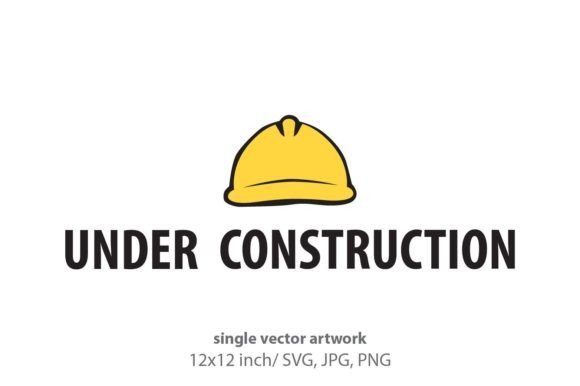
In the fast-paced digital landscape, the phrase UNDER CONSTRUCTION often evokes images of broken links or unfinished websites. However, for modern creators, entrepreneurs, and brand strategists, this concept has evolved into a powerful tool for anticipation, transparency, and creative expression. When paired with high-quality, scalable design elements—such as vector-based SVG logo icons created on a 12 x 12 inch artboard at 300 DPI resolution—the "under construction" motif transforms from a placeholder into a strategic asset. This article explores how professionals can utilize these digital graphics to enhance their workflow, engage audiences, and maintain brand integrity during transitional phases.
The Strategic Value of Transparency in Digital Presence
Gone are the days when a blank page or a generic error message was acceptable during website development or product launches. Today’s consumers value transparency. When a business is refining its offerings or rebuilding its digital infrastructure, communicating this status clearly is essential. Using a well-designed UNDER CONSTRUCTION graphic signals to your audience that activity is happening behind the scenes. It builds trust by showing that you are actively working toward improvement rather than neglecting your platform.
This approach aligns with broader market trends where authenticity drives engagement. Entrepreneurs and marketers are increasingly using "building in public" strategies, sharing their development processes to create a narrative around their brand. A professionally designed vector icon serves as the visual anchor for this narrative. Whether used on a landing page, in email signatures, or on social media stories, these assets communicate professionalism even when the final product is not yet ready.
Why Vector-Based SVGs Are Essential for Modern Workflows
The technical specifications of your design assets matter immensely in a multi-platform world. The files described here—SVG, JPG, and PNG formats derived from Adobe Illustrator—are not just arbitrary choices; they represent a commitment to quality and versatility. Specifically, the use of vector-based SVG (Scalable Vector Graphics) ensures that your logo or icon remains crisp and clear regardless of size. Unlike raster images, which pixelate when enlarged, vectors use mathematical paths to define shapes, allowing for infinite scalability without loss of quality.
Consider the practical applications:
- Web Design: SVGs have smaller file sizes compared to high-resolution PNGs, leading to faster load times and better SEO performance.
- Print Media: With a source file created at 300 DPI in RGB color palette, you can easily convert to CMYK for high-quality printed paper items, stationery, and invitations.
- Responsive Layouts: As screen resolutions increase, vector assets ensure your branding looks sharp on 4K monitors, tablets, and mobile devices alike.
By starting with a 12 x 12 inch artboard, designers provide a square canvas that is perfectly suited for social media profile pictures, app icons, and favicon creation. This standardization simplifies the workflow for freelancers and agencies who need to deploy assets quickly across various channels.
Expanding Beyond the Screen: Creative Applications
While digital application is primary, the versatility of these graphic elements extends far beyond the web. The availability of multiple file formats—SVG for code, JPG for universal compatibility, and PNG for transparent backgrounds—opens up a myriad of creative possibilities for handmade craft items and physical products.
Stationery and Printed Materials
For small business owners and event planners, consistency is key. Using the same vector graphics for both digital announcements and physical invitations creates a cohesive brand experience. Imagine sending out a "Coming Soon" postcard for a new store opening that features the same icon used on your website’s maintenance page. This repetition reinforces brand recognition and creates a seamless customer journey.
Handmade Crafts and Party Decor
The rise of the maker movement has blurred the lines between digital design and physical craft. Enthusiasts can download these SVG files to use with cutting machines for creating custom jewelry, wall art, or party decor. For example, a "Grand Opening" celebration could feature banners and cutouts derived from the same design system used in the company’s digital marketing. This integration allows for a unified aesthetic that resonates with customers across all touchpoints.
Graphic and Web Design Projects
For professional designers, having access to pre-made, high-quality vector elements accelerates the design process. Instead of building an icon from scratch, you can customize existing assets to fit a client’s brand guidelines. This efficiency is crucial in today’s fast-turnaround environment, allowing freelancers to take on more projects while maintaining high standards of quality.
Aligning with Consumer Expectations and Market Trends
Consumer preferences are shifting towards experiences that feel curated and intentional. A sloppy "under construction" sign suggests neglect, but a polished, artistically rendered icon suggests care and attention to detail. This distinction is vital for brands trying to establish credibility in competitive markets.
Furthermore, the demand for personalized content is higher than ever. By using versatile digital graphics, businesses can tailor their messaging to specific segments. For instance, a tech startup might use a sleek, minimalist version of the icon for their developer portal, while using a more colorful, playful version for their consumer-facing marketing materials. This flexibility is made possible by the layered nature of Adobe Illustrator files, which allow for easy modification of colors, shapes, and text.
Practical Steps for Implementation
To effectively integrate these assets into your workflow, consider the following steps:
- Audit Your Current Assets: Review your existing digital presence. Identify areas where "under construction" or "coming soon" messages are needed. Ensure they reflect your current brand identity.
- Choose the Right Format: Use SVGs for web elements to ensure scalability and speed. Use PNGs for documents and presentations where transparency is needed. Use JPGs for social media posts where file size constraints are less critical.
- Maintain Consistency: Apply the same visual language across all platforms. If your vector icon uses a specific color palette, ensure that your printed materials and handmade items adhere to the same scheme.
- Engage Your Audience: Use these graphics as conversation starters. Share behind-the-scenes content showing how you are using these designs in your creative process. This humanizes your brand and builds community.
The Future of Digital-Physical Integration
As technology continues to evolve, the line between digital and physical media will continue to blur. Augmented reality (AR) and virtual reality (VR) experiences will increasingly rely on high-quality vector assets to create immersive environments. By investing in robust, scalable design elements now, businesses and creators are future-proofing their brands. The ability to seamlessly transition a logo from a website header to a 3D-printed object or an AR overlay is becoming a standard expectation.
Moreover, the emphasis on sustainability in design favors digital-first workflows. By creating one master vector file that can be adapted for countless uses, designers reduce waste and inefficiency. This aligns with the growing consumer preference for eco-conscious brands that prioritize resourcefulness and smart design.
Conclusion
The concept of UNDER CONSTRUCTION is no longer just a temporary state; it is an opportunity for brand storytelling and engagement. By leveraging high-quality, vector-based SVG logo icons and understanding the technical nuances of file formats like SVG, JPG, and PNG, professionals can create a cohesive and compelling brand presence. Whether you are designing wall art, crafting handmade cards, or building a complex web platform, these digital graphics elements provide the foundation for creativity and consistency.
Embrace the process of creation. Use these tools to communicate your progress, engage your audience, and build a brand that is resilient, adaptable, and visually striking. In a world where first impressions are often digital, ensuring that every pixel counts is not just good design—it is good business.